Edit Content
Click on the Edit Content button to edit/add the content.

Author name: admin

Chardham

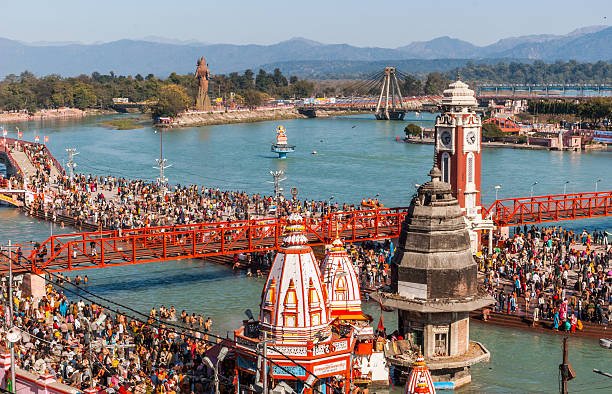
Haridwar

Haridwar, one of the seven holiest cities of India, is the sacred gateway to the Himalayas and the spiritual heart of Uttarakhand. It is here that the holy River Ganga descends from the mountains and flows into the plains, blessing the land with purity and devotion. A visit to Haridwar is not just a journey—it is a spiritual awakening. The Spiritual Significance of Haridwar The name Haridwar means “Gateway to Lord Vishnu”. For centuries, saints, sages, and pilgrims have gathered here to seek blessings and inner peace. The city holds immense religious importance and is a major stop for the Char Dham Yatra. Haridwar is also one of the four cities where the sacred Kumbh Mela is held, drawing millions of devotees from around the world. Har Ki Pauri: The Soul of Haridwar The most iconic landmark of Haridwar is Har Ki Pauri, a sacred ghat believed to bear the footprints of Lord Vishnu. Every evening, the ghat transforms into a divine spectacle during the Ganga Aarti, where thousands of oil lamps float on the river, accompanied by chants and temple bells. Witnessing the Ganga Aarti at Har Ki Pauri is a deeply moving experience that stays with you long after you leave.
Chardham

Banaras

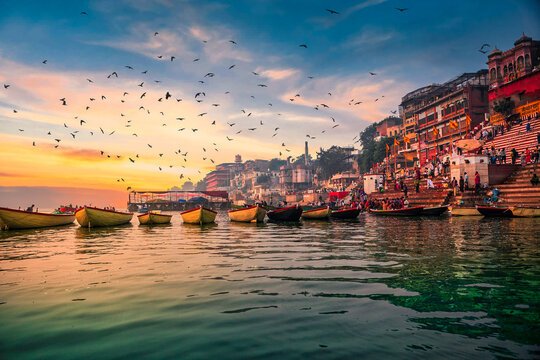
Banaras, also known as Varanasi or Kashi, is not just a city—it is an experience. Believed to be one of the oldest living cities in the world, Banaras stands on the banks of the sacred River Ganga, carrying centuries of faith, rituals, culture, and timeless wisdom. Walking through Banaras feels like stepping into a living story, where every ghat, temple, and narrow lane whispers tales of devotion and life itself. The Spiritual Soul of Banaras Banaras is considered the spiritual capital of India. It is believed that attaining moksha (liberation from the cycle of rebirth) in Banaras is a blessing beyond measure. The city is home to the revered Kashi Vishwanath Temple, dedicated to Lord Shiva, attracting millions of devotees from across the world. The continuous chanting of mantras, ringing temple bells, and flowing Ganga create an atmosphere that feels deeply peaceful yet powerful. Ghats of the Ganga: Life, Death, and Everything in Between The ghats of Banaras are the heart of the city. From Dashashwamedh Ghat to Manikarnika Ghat, each ghat has its own story and purpose. Dashashwamedh Ghat comes alive every evening with the mesmerizing Ganga Aarti, where fire lamps, chants, and devotion come together in a divine spectacle. Manikarnika Ghat, one of the oldest cremation grounds, reflects the Hindu belief that death here leads to liberation. Watching the sunrise from a boat on the Ganga is an unforgettable experience—quiet, spiritual, and deeply moving.

Chardham

Yamunotri

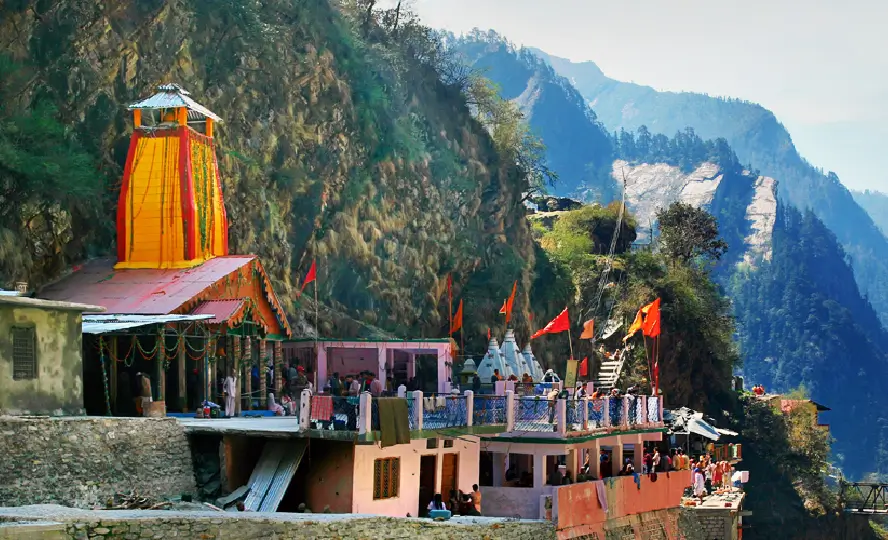
Yamunotri is another pilgrimage site located in the state of Uttarakhand. Check out travel and tourism in Yamunotri, India. Perched amidst sprawling Garhwal Hills, Yamunotri is another revered pilgrim spots in the state of Uttarakhand. It is one of the Char Dham in India and holds great religious importance. Yamunotri is the source of sacred river Yamuna and also the abode of goddess Yamuna. It is famous for its thermal springs, glaciers and scenic locales. In effect, it is one of the must visit places from travel and tourism point of view. According to Hindu mythology, this hilly spot was once the abode of an ancient sage by the name, Asit Muni. Owing to its legendary significance, thousands of devotees visit this silent yet hustling-bustling pilgrimage place. There are a many worth visiting places here, one of the most important being the Yamunotri temple. This temple was built by Maharani Gularia of Jaipur in the 19th century. The shrine is dedicated to goddess Yamuna. She resides here in the form of a silver idol adorned with garlands. It is believed that a holy dip in the sacred water of river Yamunotri here relieves everyone from a painful death. This is because she is the sister of Yama, the God of Death. As a result, pilgrims visit the place in order to seek the blessings of Yamuna and save themselves from the agony of death. Apart from this there is Surya Kund which is known for its thermal springs. The temperature of the water here is approximately 190 degree Fahrenheit. Also, there are a number of hot water pools here, which are used to cook rice and potato as Prasad (holy offerings to God). Divya Shilla is a rock pillar here, which is worshipped by the devotees before entering the Yamunotri temple. Other tourist places near Yamunatri are Janaki Chatti, Hanuman Chatti and Saptrishi Kund.

Chardham

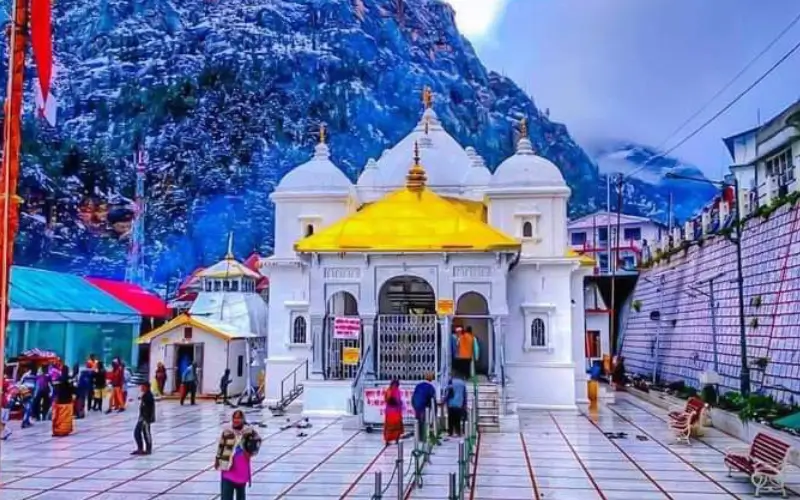
Ganhotri

One of the four sites amongst the holiest places, Char Dham in India, is Gangotri. This sacred city is located in the northern part of the state of Uttarakhand. It is known as the source of River Ganges and also the seat of Goddess Ganga. Ducked amidst the sprawling Garhwal hills, Gangotri is an ideal location for all those who wish to take a dip into the oceans of divinity, as well as those have a thirst for adventure. This makes Gangotri an ideal spot in terms of travel and tourism. Gangotri also has a strong historical past and bears the eternal feel of antiquity. According to mythological records, King Bhagirath did penance here, after which, as per Lord Shiva’s wishes, River Ganges came down on earth. However, to save the earth from the fierce force of the river, Lord Shiva held her in his locks. Thus, river Ganges is also known as Bhagirathi here. Moreover, it is also believed that Pandavas came down to this place to perform Deva Yajna. As a result, Gangotri is a significant place from religion point of view. Hundreds of devotees throng the place every year in order to unleash the secrets of spirituality. Some of the main attractions of Gangotri include Gangotri Temple, which was built by Gurkha monarch Amar Singh Thapa, around 3000 years back. Another pilgrim site here is Jalamagna Shivalinga, which is a natural rock Shivalinga submerged in the river. It is deemed to be the place where Lord Shiva held Ganga in his locks. This Shivalinga is only visible in winter months. Other worth visiting places in the vicinity are Gaumukh (source of Ganges), Gaumukh Glacier and Nandanvan. Drifting towards the adventurous aspect of Gangotri, it offers a number of sports for fun lovers such as river rafting, trekking etc. Thus, to enjoy the natural beauty and religious fervor at its best, Gangotri is a must visit place for all.

Chardham

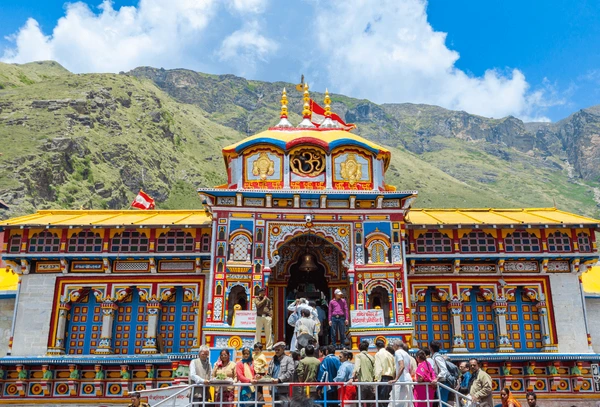
Badrinath

Among the oldest pilgrimage sites in India, Badrinath Dham or Badrinath temple has immense significance for Hinduism. Nestled in the Garhwal hills near the Alaknanda river, at an altitude of 10,279 ft, the temple offers scenic views of the snow-clad Himalayas and quaint surroundings. The natural beauty of the holy site draws many visitors from across the country. The temple, situated in the small town of Badrinath in the state of Uttarakhand, is dedicated to Lord Vishnu who is considered to be the protector in Hinduism. Badrinath Temple is one of the 108 Divyadesha (holy site) for Vishnu followers, and alongside 3 other sites, forms Hinduism’s holiest Char Dhams, or, Four Sites of pilgrimage. It is no wonder then, that Badrinath welcomes more than 1 million visitors every year, making it one of the most visited religious destinations in India. It is widely believed that the temple was founded by the renowned ascetic, Adi Shankaracharya. In addition to various idols of Gods and Goddesses, Badrinath temple houses a 1 metre tall black stone idol of Lord Vishnu which is believed to be one of the eight swayam vyakta kshetras (self-manifested statues). The Vishnu shrine has a majestic gate which is painted with vivid colours. The temple also has a Tapta Kund (hot water spring) which is believed to possess medicinal properties. Visitors must plan their visit during the Mata Murti Ka Mela, or the Badri Kedar Festival. Both festivals are celebrated with great enthusiasm.

Chardham

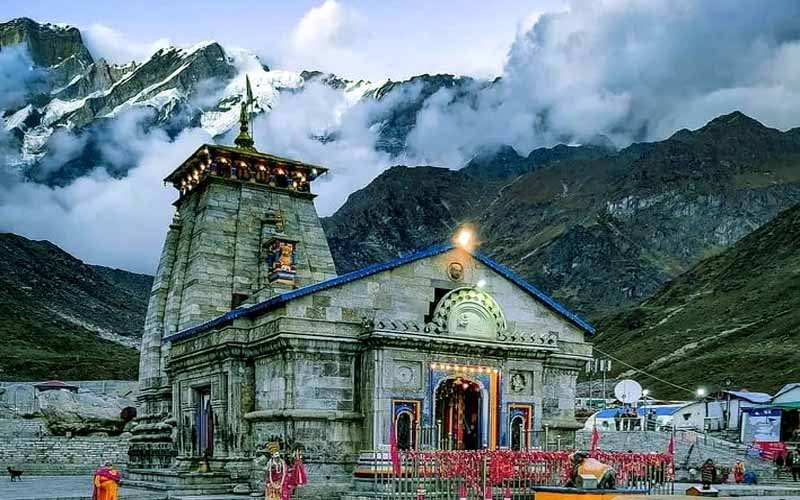
Kedarnath

  The Kedarnath Temple is dedicated to Lord Shiva and is deemed to have been built by Adi Sankaracharya. The glory of the temple can be attributed to the fact that it is one of the twelve jyotirlingas (Lord Shiva shrines), present in the country. The temple remains open only for a period of six months, due to heavy snowfall in the winter months. Testing the fervor and dedication of the pilgrims, the temple is not directly reachable by road. The only way being, a 14 km trek path from Gaurikund. The present temple stands adjacent to the initial temple built by the Pandavas. According to historical data, Pandavas after winning the battle of Mahabharata, felt guilty of killing their own brothers. They came here in search of Lord Shiva, who kept hiding himself. Finally Bhima, the strongest Pandava brother recognized him. Lord Shiva, who was disguised as a bull, escaped leaving behind his hind part. This led to the construction of the temple here. The present Kedarnath Temple has been built by huge slabs of gray stones, standing undeterred with all its glory and majesty. The divine peace and tranquility of the place leaves the devotees completely mesmerized. The haunting environment and secluded surroundings compel all the visitors to feel the inner connection with the Almighty. Thus, Kedarnath is considered a must visit place amongst pilgrims, before leaving this world. Kedarnath is a sacred town situated in the state of Uttarakhand of India. It can even be called as one of the remotest Char Dham sites as it is located amidst the snow-capped mountains of Himalayas, near the river Mandakini. Nestled in the Rudraprayag district, the main attractions here is the Kedarnath Temple, which is a popular Hindu shrine and pilgrimage, attracting devotees from all over the world. The travel and tourism scope here is strengthened by factors like natural beauty and religious zest.

Scroll to Top